Launch X-431 ADAS RADAR 3-in-1 tool is a specialized, compact calibration system designed for automotive repair shops to accurately service and recalibrate vehicle radar systems (such as ACC, BSM, and BSD) after a repair, sensor replacement, or collision.
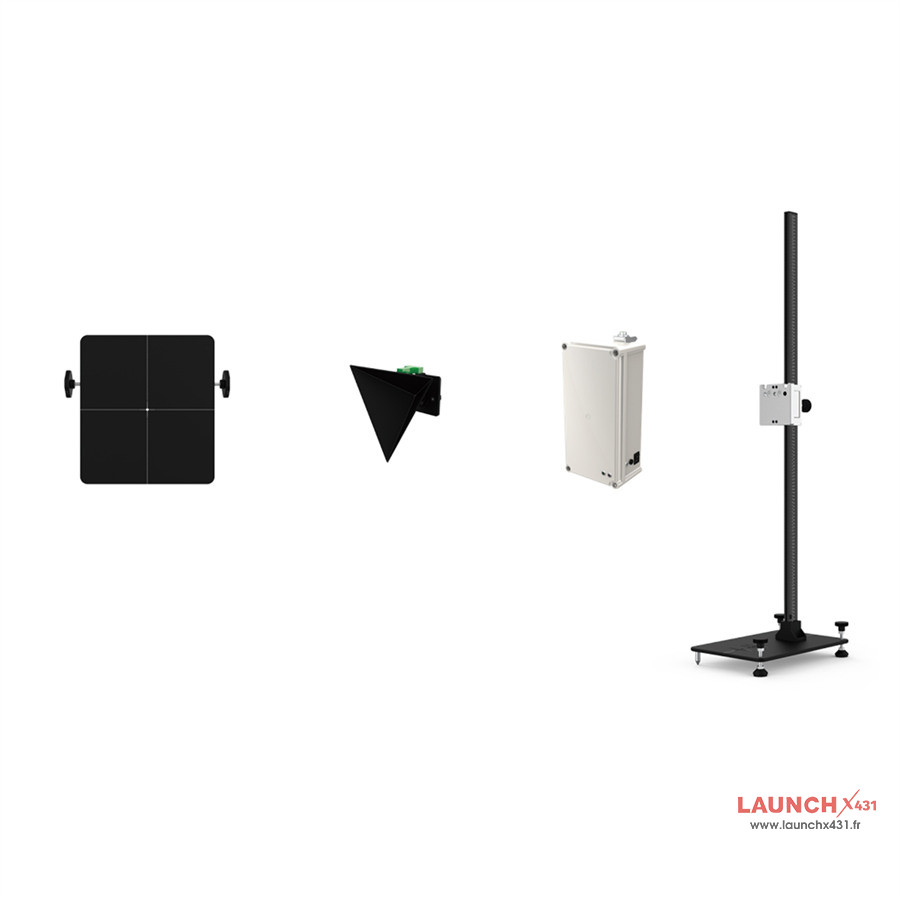

It gets its “3-in-1” name from the three distinct types of radar calibration tools it houses on a single, shared main frame:
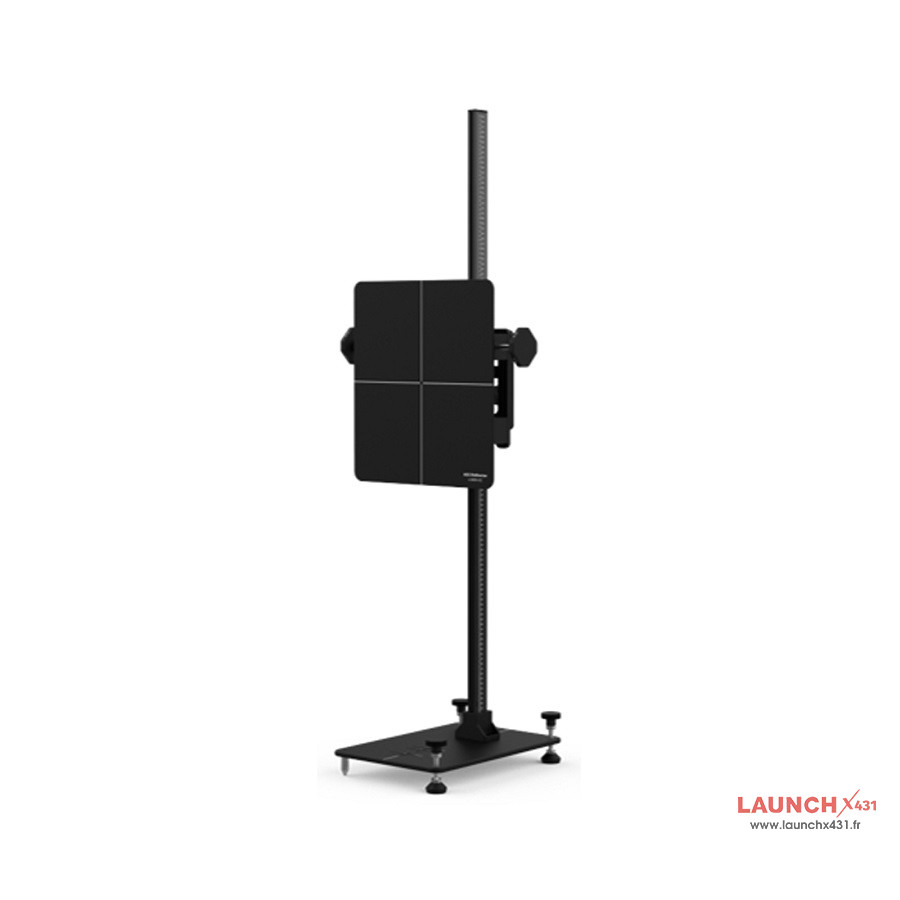
- ACC Radar Plate (LAM05-02): Used for Adaptive Cruise Control calibrations.
Covered models: Mercedes-Benz, BMW, Audi, Volkswagen, Porsche, Skoda, SEAT, Alfa Romeo, MINI, Bentley, Rolls-Royce, Maserati, Fiat, Jeep, Nissan, Mitsubishi, Suzuki, Infiniti, Hyundai, Kia, BYD, Geely, Chery…
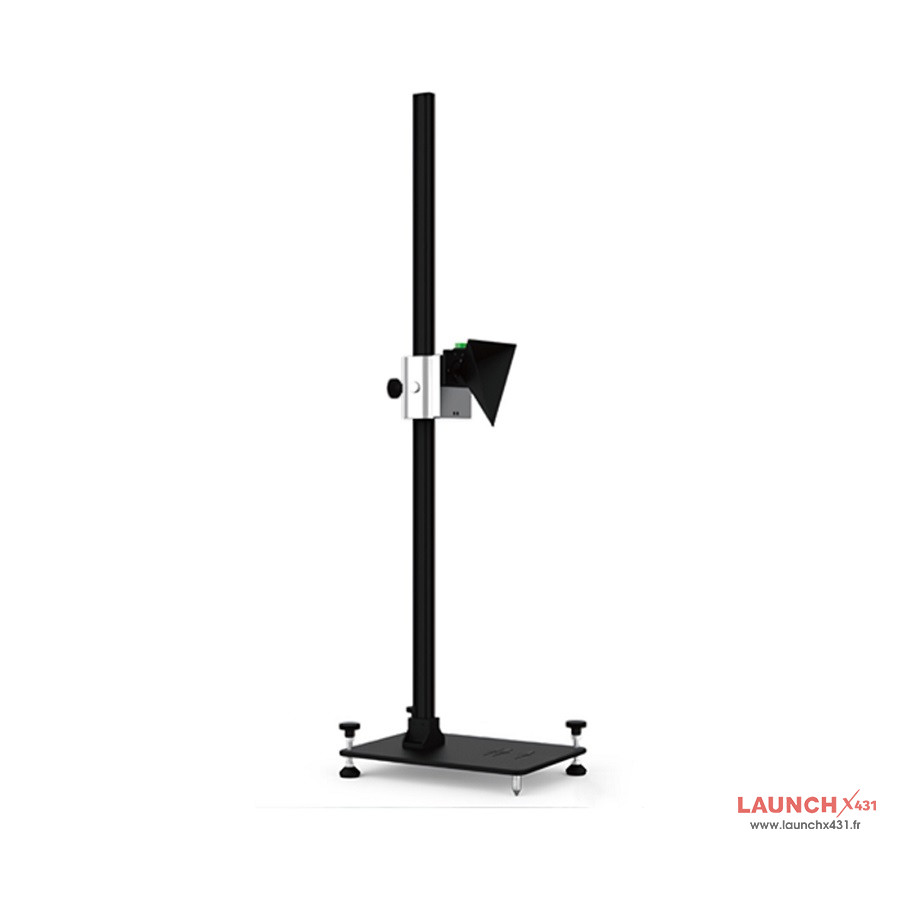
- Corner Reflector (LAC05-03): Used to calibrate Blind Spot Detection (BSD) and Blind Spot Monitoring (BSM) sensors.
Covered models: Toyota, Lexus, Honda, Acura, Mazda, Subaru, Mitsubishi, Hyundai…
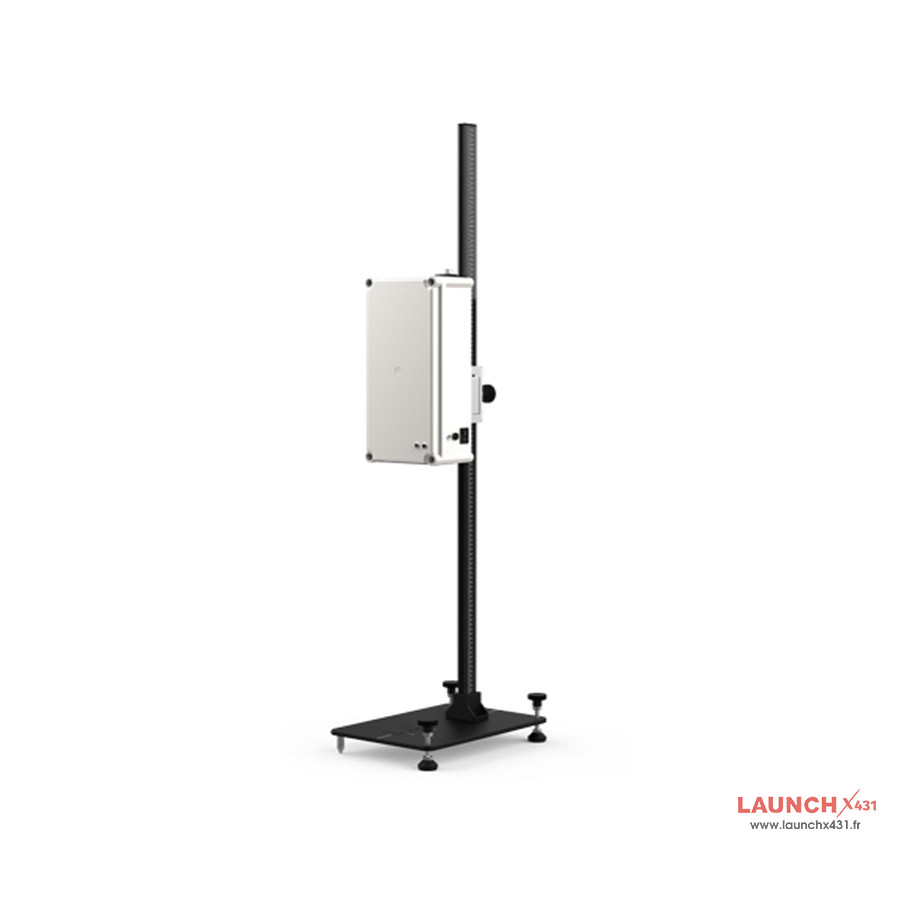
- Doppler Simulator (LAC05-04): Simulates vehicle movement to test and calibrate rear and corner radars.
Covered models: Volkswagen, Audi, Bentley, Skoda, SEAT, Mazda…
How Launch X-431 ADAS RADAR Works?
1.Guided Software: The hardware pairs seamlessly with an X-431 diagnostic scan tool (e.g., X-431 PAD VII, PAD V, or PRO5). The tablet guides the mechanic through a step-by-step calibration process with detailed visual instructions.
2.Precise Alignment: Using laser measurement tools and self-centering brackets, technicians position the radar rig at precise angles and heights to ensure millimeter-level accuracy.
3.Vehicle Coverage: It provides widespread, OE-standard coverage global vehicle manufacturers like Mercedes-Benz, BMW, Audi, Nissan, and Toyota.
Why Mechanics Use It?
Modern Advanced Driver Assistance Systems (ADAS) require recalibration if the sensors are removed, damaged, or if a vehicle’s suspension is altered. The 3-in-1 tool serves as a cost-effective, space-saving alternative to purchasing full-frame, multi-target ADAS systems, which are typically much larger and more expensive.
When is ADAS Calibration Required?
You must perform an ADAS calibration routine whenever a vehicle undergoes any of the following service situations:
- Sensor or Module Replacement: Installing a new sensor control unit (e.g., replacing a front Advanced Cruise Control [ACC] radar module).
- Alignment Deviations: The sensor’s structural mounting angle drifts outside normal operating tolerances due to structural shifting or minor impact.
- Structural Alterations: Physically relocating an existing sensor to a different position on the vehicle body.
- Front-End Repairs: Repairing or replacing body components that secure or houses front-facing sensors (e.g., replacing a front bumper cover or grille assembly).
- Chassis & Suspension Service: Performing a wheel alignment or modifying the vehicle’s chassis configuration.
The Two Methods of Calibration
Depending on the vehicle manufacturer and system design, calibrations fall into two distinct operational categories:
- Dynamic Calibration (On-Road)
Dynamic calibration relies entirely on software commands initiated by your diagnostic device to place the vehicle into a mobile “learning mode.”
- Equipment Needs: No physical targets or calibration frames are required.
- Execution: The technician must test-drive the vehicle on straight roads featuring clear, highly visible lane markings while maintaining a specified speed until the software completes its calculations.
- Static Calibration (In-Workshop)
Static calibration takes place entirely inside a controlled workshop environment.
- Equipment Needs: Requires specialized ADAS hardware, including a physical calibration frame, laser alignment tools, and vehicle-specific target patterns.
- Execution: The diagnostic scanner commands the vehicle to scan the precisely placed physical targets to verify and adjust its field of vision.
Critical Pre-Calibration Checklist
Before launching the ADAS calibration software on your diagnostic tool, you must verify that the vehicle and shop environment meet these strict prerequisite parameters:
Vehicle Status & Prep
- Physical Integrity: The sensor lens/housing area must be completely free of damage, and its internal mounting brackets must not be deformed or bent.
- Tires: Check and correct all tire pressures to the factory-recommended values.
- Chassis Leveling: Park the vehicle on a level surface, engage the electronic parking brake, and close all passenger doors.
- Weight Distribution: Ensure engine coolant and oil levels are correct, and the fuel tank is completely full. The cabin and trunk must be empty (no passengers, tools, or cargo).
- Diagnostic Scan: Connect your VCI to the vehicle. Run a pre-scan to confirm that all non-ADAS vehicle sub-systems are entirely free of fault codes (DTCs).
- Hands-Off Rule: Do not lean on the vehicle at any point during the setup or execution phase. This alters the suspension level and will cause camera-leveling calculations to fail.
Calibration Workspace Conditions
- Dimensions & Space: The shop floor surface must be perfectly flat. There must be ample workspace clearance surrounding the vehicle layout. (Recommended minimum staging area: 5 meters x 9 meters).
- Obstructions: The designated workspace line-of-sight must be clear of large shop equipment, structural posts, or toolboxes.
- Ambient Lighting: Eliminate external light sources or open bay doors that cast uneven shadows across the target panels.
- Camera Glare: Ensure there are no high-intensity shop lights shining directly into the vehicle’s front camera lens.
- Climate Control: Turn off high-velocity fans or heaters near the target boards; strong drafts can cause targets to sway, disrupting the electronic alignment sequence.